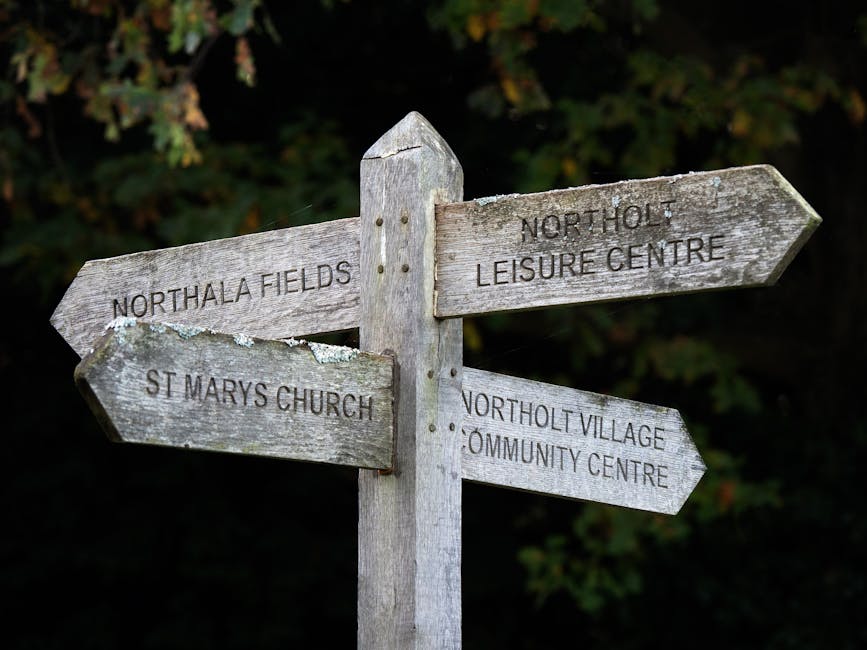
Gardeners serving Hall Lane and St Marys Church Upminster: a practical local guide for a healthier, better-kept garden
If you are looking for Gardeners serving Hall Lane and St Marys Church Upminster, you are probably after more than a quick tidy-up. You want a garden that feels manageable, looks cared for, and does not become one of those jobs that quietly grows teeth. Maybe the lawn has gone patchy, the hedge is doing its own thing, or the whole space just feels a bit tired after a wet spell and a few busy weeks. Fair enough. That is exactly where a good local gardening service earns its keep.
This guide explains what local gardening support typically covers, how it works, what to expect, and how to choose the right level of help for your home or property. It also covers practical issues like seasonal upkeep, clearance, safety, and the sort of planning that saves you time later. If you want a wider view of the service range, it can help to start with the services overview and then narrow things down from there.
Let's face it: most gardens do not fail all at once. They slip gradually. A few weeds here, a hedge that gets a bit too ambitious there, and before long you are dealing with a space that feels harder to enjoy than it should. The good news? With the right approach, even an awkward garden can become low-stress again.
- Why this local gardening service matters
- How the service works in practice
- Key benefits and practical advantages
- Who it is for and when it makes sense
- Step-by-step guidance
- Expert tips for better results
- Common mistakes to avoid
- Tools, resources and recommendations
- Law, compliance and best practice
- Options and comparison table
- Case study or real-world example
- Practical checklist
- Conclusion
- Frequently asked questions
Why Gardeners serving Hall Lane and St Marys Church Upminster Matters
Local gardening help matters because gardens in this part of Upminster tend to face a familiar mix of pressures: seasonal growth spurts, shade from mature planting, compacted soil in busy family gardens, and the simple reality that many people do not have the time, equipment, or energy to stay on top of everything. One week the place looks fine; the next, there are fallen leaves in corners, grass that is growing faster than expected, and a hedge edging into the path like it owns the place.
When gardeners work locally, they also understand the kind of maintenance rhythm that suits nearby homes. A neat front garden near a main route may need regular presentation. A more private rear garden may benefit from occasional clearances followed by lighter, scheduled upkeep. That distinction sounds small, but it makes a big difference in practice.
There is another point too. Gardens are often part of how a property feels from the street. A tidy entrance, healthy planting, and a well-cut lawn can make a home feel cared for even before anyone steps through the door. That is not about vanity. It is about creating a space that works for you, not against you.
Expert takeaway: the best local gardening support is not just about "making it look nice". It is about building a routine that keeps the garden usable, safer to move through, and easier to maintain month after month.
For some properties, that might mean regular garden maintenance. For others, it could start with one-off garden clearance after a period of neglect or after a big seasonal drop in leaves and debris. Different gardens, different starting points. Simple as that.
How Gardeners serving Hall Lane and St Marys Church Upminster Works
In most cases, the process starts with an assessment. A gardener will look at the size of the space, the current condition, the main pain points, and what you want the garden to feel like once the work is done. Some clients want a full reset. Others just need reliable upkeep so the space never gets out of hand. Both are valid. Truth be told, the second type of job is often the smartest one.
A typical service may include mowing, hedge trimming, pruning, weeding, leaf clearance, border tidying, edging, planting care, and waste removal. If the garden has been left for a while, the first visit may focus on recovery work rather than "polish". That means getting the structure back under control first, then moving to maintenance.
Services are usually tailored. A lawn-heavy property may need a different plan from one with mature shrubs, narrow side access, or decking that needs regular cleaning around the edges. If you are planning anything beyond basic upkeep, it helps to look at related services such as lawn mowing, hedge trimming, or even broader landscaping if the space needs a more structural refresh.
Usually, the practical flow looks like this:
- Initial discussion about the garden, priorities, and any access issues.
- Site visit or photo-based assessment, depending on the job.
- Agreeing the scope: one-off work, recurring care, or a mixed plan.
- Carrying out the work in a sensible order: clearance first, detail work second.
- Removing waste responsibly and leaving the space tidy.
- Setting a follow-up rhythm if ongoing care is needed.
If the garden includes trees, heavy branches, or overgrown canopy areas, a specialist service may be more appropriate than basic gardening alone. In those cases, tree lopping and removal should be discussed carefully, because safety and scope matter a great deal there.
Key Benefits and Practical Advantages
The value of a good gardener is not just visual. Yes, a garden can look better almost immediately, and that matters. But the more important gains are practical. You get a space that is easier to use, simpler to maintain, and less likely to tip over into bigger repair work later.
- Time saved: instead of spending whole weekends battling the same jobs, you can keep things under control with a sensible routine.
- Better garden health: regular cutting, pruning, and clearing can help grass, shrubs, and beds stay in better shape.
- Safer access: reduced overgrowth means clearer paths, less trip risk, and fewer hidden obstructions.
- Improved presentation: neat lawns and tidy boundaries make a property feel more welcoming.
- Less stress: and honestly, that matters more than people admit. A chaotic garden has a way of nagging at you.
There is also a maintenance cost angle. A garden that is visited regularly is usually easier and cheaper to keep under control than one left to drift. That does not mean every visit needs to be dramatic. Often the best outcome comes from small, regular interventions. A quick mow, a hedge trim, a border tidy, done properly, can prevent a much bigger job later.
If sustainability matters to you, it is worth asking how waste is handled and whether green waste is recycled where possible. You can also read more about responsible disposal and greener working habits through the site's recycling and sustainability information.
Who This Is For and When It Makes Sense
Gardeners serving Hall Lane and St Marys Church Upminster can be a good fit for a wide range of people. Some need help because life is busy. Some have physical limitations and want a safer, easier way to keep the garden manageable. Others simply want a better result than they can realistically achieve on their own with a domestic mower and a pair of hand shears. No shame in that. Gardening is work.
This kind of service makes sense if you are:
- a homeowner who wants regular upkeep without the weekend burden;
- a landlord or property manager needing the outside space kept presentable;
- a family trying to reclaim a usable garden after months of growth;
- someone preparing a property for sale, tenancy, or a special event;
- an older resident or busy professional who prefers reliable outside help.
It is also useful if the garden has become "almost manageable" but never quite gets there. You know the sort of thing: every time you think you are on top of it, the next rain and warm spell sends everything off again. That cycle is exhausting. A recurring plan often breaks it.
If the issue is mostly structural - a tired layout, poor drainage, a space that simply does not work - then you may need a more design-led approach through landscape gardening or more general landscaping. In other words, sometimes maintenance is enough; sometimes the garden needs a rethink.
Step-by-Step Guidance
If you are planning to book garden work locally, a clear process helps. It saves time, avoids confusion, and usually leads to a better finish. Here is a practical way to approach it.
- Walk the garden first. Notice what is actually bothering you. Is it the lawn, the hedge, the borders, the access, or the sheer volume of debris?
- Separate urgent jobs from cosmetic ones. Safety issues, blocked pathways, and damaged plants should come before visual refinements.
- Decide whether you need one-off work or regular maintenance. A garden that gets overwhelmed quickly usually benefits from a repeat visit schedule.
- Ask what is included. For example, does the service include green waste removal, edging, pruning, and light weeding, or only the main task?
- Check access and logistics. Narrow side entrances, parking, and storage for tools can all affect the smoothness of the visit.
- Agree the finish standard. A good gardener should know whether you want "reasonable and tidy" or "sharp and presentation-ready".
- Review after the first visit. Did the service solve the actual problem? If not, adjust the plan before the next round.
One small but useful tip: take a few photos before work begins. Not for drama. Just because it helps everyone see the starting point clearly, especially if the garden has several problem areas. It is one of those boring little habits that saves hassle later.
If the work involves a larger clear-out, it is also worth checking pricing expectations in advance. The pricing and quotes page is a sensible place to understand how estimates are handled and what to ask before confirming anything.
Expert Tips for Better Results
The best garden results usually come from consistency rather than heroics. A one-off blitz can feel satisfying, sure, but gardens are living spaces. They respond best to rhythm. Keep that in mind and things get much easier.
- Trim before the hedge gets unruly. Smaller, regular cuts are cleaner than trying to rescue a hedge that has gone wild.
- Mow at the right height. Cutting grass too short can stress it, especially in warmer or drier spells.
- Keep borders defined. Even a crisp edge around a bed makes the whole garden look more deliberate.
- Don't ignore hidden corners. Side returns, behind sheds, and fence lines are where problems build quietly.
- Plan for weather. A damp week changes how cleanly some jobs can be done. That is normal, not a sign of poor service.
Another useful habit is to separate the garden into zones: lawn, beds, trees, hedges, hard surfaces, and waste-prone corners. That makes it easier to prioritise and easier for a gardener to quote accurately. A vague "the garden needs sorting" is understandable, but not very helpful. A clearer brief gets a better result. Usually.
If decking is part of the space, maintenance around the edges and adjacent planting matters too. Unchecked growth can trap moisture and make the area feel messier than it is. For bigger outdoor improvements, decking services may be relevant as part of a broader garden upgrade.
Common Mistakes to Avoid
Most garden problems are not dramatic. They come from small mistakes repeated over time. The good news is that those mistakes are easy enough to avoid once you know what to look for.
- Waiting too long: leaving it until the garden is truly overgrown makes the first visit bigger, slower, and often more expensive.
- Expecting one visit to solve everything: sometimes a garden needs a reset plus follow-up maintenance.
- Choosing the wrong service for the job: a lawn cut will not fix a boundary hedge, and clearance will not solve a structural design problem.
- Ignoring waste removal: a tidy cut is only half the job if the clippings are left behind in heaps.
- Skipping safety checks: unstable branches, hidden debris, and awkward access can create avoidable issues.
There is also a common emotional mistake: treating the garden as a single overwhelming task. It is not. Break it down. Even if it looks a bit wild right now, there is always a sensible first step. Sometimes that first step is as simple as getting the lawn back into shape and removing the worst of the clutter.
And yes, you may need to resist the temptation to buy three different tools before starting. We have all been there. The shiny-tool trap is real.
Tools, Resources and Recommendations
Good gardening work depends on the right tools, but not just tools for the sake of it. The useful kit is the kit that matches the job. For lawn work, that means a mower in decent condition, edging tools, and basic cleanup equipment. For hedges, clean cutting tools matter more than brute force. For overgrown spaces, clearance gear, gloves, and waste bags or transport arrangements become important fast.
Useful service categories to think about include:
- regular lawn mowing for keeping grass healthy and even;
- hedge trimming for keeping boundaries neat and manageable;
- garden clearance for overgrown, cluttered, or neglected spaces;
- garden maintenance for ongoing care and tidying;
- tree lopping and removal where larger woody growth needs specialist handling.
If you are comparing providers, it helps to ask about insurance, waste handling, and how they approach awkward access or fragile planting. The site's insurance and safety information is useful for understanding the sort of standards a professional service should be comfortable discussing. Not every job is risky, of course, but it is better to have that conversation early than after a problem appears.
For a clearer understanding of the business and its approach, the about us page can help put a human face to the service. And if you want to speak directly about your garden, contact us is the obvious next step. Simple, really.
Law, Compliance, Standards, or Best Practice
Most routine gardening work is straightforward, but there are still sensible standards to follow. In the UK, professional garden services are generally expected to work safely, manage waste responsibly, and avoid damaging property or neighbouring boundaries. If machinery is involved, if work happens near public areas, or if trees and larger branches are being handled, safety becomes especially important.
Good practice normally includes:
- using suitable protective equipment where needed;
- checking access and surrounding hazards before starting;
- handling green waste responsibly;
- working within the limits of the job and escalating specialist tasks where necessary;
- communicating clearly about what will and will not be done.
For customers, the practical takeaway is simple: choose a service that is transparent, insured, and clear about scope. If a task looks outside ordinary maintenance - for example, large tree work or substantial site clearance - ask whether it needs a more specific method or extra precautions.
It is also wise to read terms carefully when booking work. That includes cancellation, payment timing, and the practical details of how quotes are handled. A little boring, yes. Also useful. Very useful.
You can review broader operational policies such as the terms and conditions and payment and security pages to understand the expectations around service and transactions. For some readers, that reassurance is what makes the decision feel easy.
Options, Methods, or Comparison Table
Different gardens need different approaches. A quick comparison can make that clearer.
| Option | Best for | Main benefit | Watch out for |
|---|---|---|---|
| One-off tidy | Gardens that need a reset after neglect or seasonal build-up | Fast visible improvement | Can slide back if not followed by maintenance |
| Regular maintenance | Homes that want consistent presentation with less effort | Keeps the garden under control | Needs a schedule that suits the growth rate |
| Clearance first, maintenance later | Overgrown or cluttered gardens | Creates a clean starting point | May involve more than one visit |
| Landscape-led improvement | Gardens with layout, drainage, or usability issues | Fixes how the space works | More planning involved |
In practice, many people end up using a blend. For example, a front garden might just need mowing and edging every couple of weeks, while the rear garden needs occasional clearance and hedge control. That mixed model is often the sweet spot.
Case Study or Real-World Example
Here is a realistic example. A homeowner near Hall Lane had a back garden that had slipped over spring and early summer. The lawn was long enough to feel soft underfoot, the hedge had lost its shape, and a corner near the fence had filled with clippings, pots, and general "I'll deal with that later" items. Nothing dramatic. Just enough to make the space feel like work every time they looked at it.
The solution was not a full redesign. It started with clearance, then a clean mow, then hedge trimming, then a final tidy of the borders and access areas. After that, the garden was put on a recurring maintenance rhythm so it did not slide back. The change was subtle but real. The space felt open again. The smell of cut grass came back. The patio stopped looking like it was waiting for rescue.
That is the thing many people underestimate. A garden does not need to be extravagant to feel good. It just needs to be manageable, and cared for in the right way.
Sometimes the best improvement is not a big transformation. It is simply getting the place back to breathing room.
Practical Checklist
Use this checklist before booking or planning garden work.
- Identify the main problem areas: lawn, hedge, beds, trees, waste, or access.
- Decide whether you need a one-off visit or ongoing maintenance.
- Note any safety concerns, uneven ground, or tight access points.
- List any plants or features you want protected.
- Ask whether waste removal is included.
- Confirm the expected finish standard.
- Check whether specialist work is needed for trees or larger jobs.
- Review pricing and quote details before agreeing.
- Make sure the timing suits weather and household access.
- Plan a follow-up schedule if the garden grows quickly.
If you want to keep things tidy between visits, aim for small habits rather than grand cleanups. A short sweep here, a quick deadhead there, maybe five minutes to keep a path clear. It adds up. It really does.
Conclusion
Gardeners serving Hall Lane and St Marys Church Upminster are most valuable when they make your outdoor space easier to live with, not just prettier for a day. The best service is usually calm, practical, and tailored to what the garden actually needs. Sometimes that means mowing and hedge trimming. Sometimes it means a full clearance. Sometimes it means a more considered landscape approach that fixes the way the space works.
If you take nothing else from this guide, remember this: a garden is easier to care for when it is given a rhythm. A little consistency beats a heroic rescue job almost every time. And if the garden has been nagging at you for weeks, that is your cue. Not to panic. Just to start.
Get a free quote today and see how much you can save.
For service details, background, and practical next steps, you can also review the company's services overview, and if you are ready to talk through your space, contact us is there when you need it. A well-kept garden has a quiet kind of happiness to it, and that is worth getting right.
Frequently Asked Questions
What do gardeners serving Hall Lane and St Marys Church Upminster usually help with?
They commonly help with lawn care, hedge trimming, garden maintenance, clearance, border tidying, and sometimes larger jobs like tree-related work or light landscaping. The exact mix depends on the garden and what you want improved first.
How often should a garden be maintained?
That depends on the size of the garden, the season, and how fast everything grows. Many gardens benefit from regular visits during active growing months, while slower-growing spaces can usually be maintained less often.
Is a one-off garden clearance enough for an overgrown garden?
It can be a great starting point, but not always a complete solution. If the garden grows quickly or has been neglected for a long time, a follow-up maintenance plan usually gives better long-term results.
Do I need hedge trimming as a separate service?
Sometimes, yes. Hedge trimming is often part of general maintenance, but larger, tall, or particularly overgrown hedges may need dedicated attention so they can be shaped properly and safely.
What is the difference between garden maintenance and landscaping?
Maintenance keeps an existing garden tidy and healthy. Landscaping is more about changing the structure, layout, or function of the garden. If the space feels awkward rather than simply untidy, landscaping may be the better route.
How do I know if my garden needs clearance or just a tidy-up?
If you cannot easily move through the space, if waste has built up, or if growth has gone beyond normal upkeep, clearance is probably the right starting point. If the garden is generally fine but a bit scruffy, a tidy-up may be enough.
Can gardeners handle lawn mowing and hedge trimming together?
Yes, very often they can. In fact, combining those tasks is usually more efficient because the garden gets a more balanced finish in one visit.
What should I ask before booking local garden work?
Ask what is included, whether waste removal is part of the service, how access is handled, whether the gardener is insured, and what kind of finish you should expect. Clear questions at the start save trouble later.
How do I keep garden costs under control?
Keep up with smaller jobs before they become large ones, bundle related tasks together where sensible, and choose a maintenance rhythm that matches how quickly the garden changes. Prevention is cheaper than rescue. Usually, anyway.
Is tree work safe to leave to a general gardener?
Small pruning may be fine, but larger or riskier tree work should be treated more carefully. If a job involves height, heavy branches, or awkward access, it is better to ask whether specialist handling is needed.
What if I only want help with the front garden?
That is completely normal. Many people focus on the front first because it affects kerb appeal and daily presentation. There is nothing wrong with starting there and dealing with the back garden later.
What should I expect after the first visit?
You should notice a clearer, tidier, more manageable space. If the garden was heavily overgrown, the first visit may be more about recovery than perfection. That is fine. The important thing is that the garden is heading in the right direction.