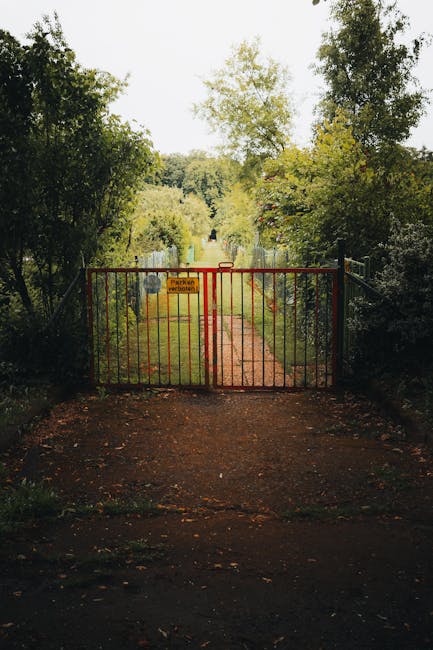
What to know about emergency garden clearance in Upminster
When a garden suddenly gets out of hand, it can feel like the whole property has gone a bit sideways. Fallen branches after a storm, waist-high weeds, a blocked side passage, fly-tipped waste, or a garden that's become unsafe to walk through - all of it can create real pressure, fast. That's where emergency garden clearance in Upminster comes in. It is not just a tidy-up. It is a practical response to an urgent problem, often where safety, access, or hygiene are at stake.
If you are trying to decide what to do next, this guide walks through the essentials: what emergency clearance actually involves, how the process usually works, the key risks, what to ask before booking, and the best way to get a fast but sensible result. A rushed job can make things worse. A well-managed one, though, can bring a proper sigh of relief. And yes, sometimes that first clear path through the mess is the moment you realise it was never as hopeless as it looked at 8am.
For readers looking beyond the urgent job itself, it can also help to understand the wider support available through the full services overview, especially if the clearance leads into longer-term upkeep or larger outdoor improvements.
Table of Contents
- Why emergency garden clearance matters
- How emergency garden clearance works
- Key benefits and practical advantages
- Who needs this and when it makes sense
- Step-by-step guidance
- Expert tips for better results
- Common mistakes to avoid
- Tools, resources and recommendations
- Law, compliance, standards and best practice
- Options, methods and comparison
- Case study or real-world example
- Practical checklist
- Conclusion
- Frequently asked questions
Why emergency garden clearance in Upminster matters
Emergency garden clearance matters because outdoor spaces can turn from inconvenient to hazardous very quickly. A garden that is merely messy on Monday can become a real access issue by Wednesday if there has been heavy rain, wind damage, overgrowth, or a sudden waste build-up. In a place like Upminster, where gardens often back onto shared access routes, narrow side passages, or family homes with limited storage for green waste, the problem can spread beyond the garden itself.
The most obvious reason is safety. Broken glass, sharp branches, rotten timber, unstable piles of cuttings, or hidden trip hazards are not things you want children, visitors, or tradespeople walking across. There is also the simple day-to-day pressure of not being able to use your garden, open gates properly, or access sheds and outbuildings. A blocked space has a habit of affecting everything else around it.
There is another angle too: urgency often brings decision fatigue. When the garden looks rough, people sometimes overreact and assume the answer is to strip everything back. That is not always right. The best emergency clearance is usually the one that clears what is genuinely causing risk, while preserving healthy plants, usable features, and anything worth keeping. That judgement matters. A lot, actually.
Expert summary: emergency garden clearance is about restoring safety, access, and control first, then deciding what can be tidied, repaired, reused, or improved afterwards.
If overgrowth has started to affect boundaries, access paths, or structures, it may be useful to think about related services such as hedge trimming or tree lopping and removal once the immediate clearance is under control.
How emergency garden clearance in Upminster works
In practical terms, emergency garden clearance is a fast-response service aimed at making a garden safe, accessible, and manageable again. The exact approach depends on what has happened. A storm-damaged garden is handled differently from a property where years of overgrowth have built up, and both are different again from a clearance needed after tenants have left rubbish behind. Same service label, very different job.
The process usually starts with a quick assessment. In many cases, the main questions are:
- Is there an immediate safety risk?
- Can the team access the garden safely?
- What needs removing, cutting back, or separating for recycling?
- Are there any items that need extra care, such as protected plants, buried fixtures, or unstable structures?
From there, a team will typically prioritise the most urgent areas first: clear access routes, remove hazardous debris, deal with loose branches or heavy waste, then move to the main cut-back and loading work. If the garden is especially dense, the job may be staged so that the team can work methodically instead of hacking away blindly. That matters because a rushed clear-out can damage fencing, paving, lighting, and planting beds.
Good operators also think about waste handling straight away. Green waste, mixed rubbish, and reusable materials should not all be thrown into one pile and forgotten about. If sustainability is part of your priorities, it is worth checking a provider's approach to recycling and sustainability before the work starts. A cleaner garden is nice. A cleaner process is better.
For larger jobs that may include resurfacing, layout changes, or future planting, an emergency clearance can also become the first phase of a wider transformation. In that case, it may lead naturally into landscaping or landscape gardening once the space has been stabilised.
Key benefits and practical advantages
The benefits of emergency clearance are straightforward on the surface, but the practical value goes deeper than people expect.
- Safer access: paths, gates, driveways, and side entrances can be used again without picking your way through debris.
- Reduced stress: there is a huge difference between living with a problem and seeing it under control.
- Better decision-making: once the mess is cleared, you can judge what really needs pruning, repairing, or replacing.
- Damage prevention: removing heavy or wind-blown waste early can stop it from causing further harm to structures and planting.
- Improved kerb appeal: especially useful if you are preparing to sell, rent, or simply want the place looking decent again.
- Faster follow-up maintenance: once the emergency is handled, ongoing care becomes much easier to manage.
There is also a quieter benefit that people often mention after the work is done: confidence. You look at the garden and stop feeling cornered by it. That sounds small, but it is not. It changes the way you use the space, and sometimes the whole mood of the property shifts with it.
For routine upkeep after the urgent work, services such as garden maintenance and lawn mowing can help keep the problem from creeping back in. To be fair, prevention is usually cheaper than panic.
Who this is for and when it makes sense
Emergency garden clearance is not only for dramatic storm damage. It makes sense for any situation where the garden has crossed the line from "needs attention" to "needs action now".
It is often relevant for:
- homeowners dealing with fallen branches or sudden overgrowth
- landlords preparing a property between tenancies
- tenants who need to restore access or avoid disputes
- older residents who cannot safely tackle heavy or awkward clearance themselves
- families with children or pets where broken debris or unstable piles are a concern
- people facing a tight deadline before work on the property begins
- anyone dealing with fly-tipped garden waste, dumped bags, or a blocked rear access route
It also makes sense if you are planning other improvements and need a blanker canvas first. For example, if a deck area is buried under old cuttings or broken timber, it may be sensible to clear the space before considering decking services. Likewise, if a hedge has become unmanageable and is cutting off light or access, the job may need a more targeted trim rather than a generic tidy-up.
So when should you stop waiting? A useful rule of thumb is this: if you are delaying because the area feels unsafe, unusable, or embarrassing in a way that is starting to affect daily life, it is probably time. Not glamorous, but honest.
Step-by-step guidance
If you have never arranged an urgent clearance before, it helps to know the usual flow. Here is the practical version, minus the jargon.
- Identify the immediate problem. Is it access, safety, waste, storm damage, overgrowth, or a mix of all four?
- Separate what must go from what should stay. If possible, mark items you want kept, such as planters, tools, or healthy shrubs.
- Take a few photos. It sounds basic, but clear photos help with quoting and reduce confusion. Before dawn is often the easiest time to see the true extent of the issue.
- Check access points. Narrow gates, locked side passages, uneven steps, and rear lanes can all affect the work plan.
- Ask about waste handling. Clarify what will be removed, what will be recycled, and whether heavier items or mixed waste are included.
- Confirm the priority order. A good crew should tackle hazards first, then the bulk clearance, then the detail work.
- Inspect the finish before the team leaves. Look for hidden debris, damaged edging, leftover bags, or any area that still creates risk.
- Plan the next stage. If the garden is now safe but bare, decide whether it needs maintenance, replanting, or a longer-term redesign.
It is also worth having a practical conversation at the outset about what "clearance" means in your case. One person's tidy-up is another person's full reset. That slight mismatch causes avoidable frustration, and honestly, it is one of the easiest problems to prevent.
Expert tips for better results
A few simple choices can make a big difference to how smooth the clearance feels.
1. Be clear about the outcome you want. If you want the garden made safe only, say so. If you want it cleared for future landscaping, say that too. The brief matters.
2. Keep any important items visible. If there is a water feature pump, a useful tool, or a plant you want protected, move it or mark it clearly. In the middle of a messy garden, small things vanish surprisingly fast.
3. Don't wait for perfect weather. Of course, heavy rain or high winds can affect the work, but many clearances are best handled promptly rather than left for "when things calm down" - which, let's face it, can turn into next month.
4. Ask how the team handles awkward waste. Mattresses, old fence sections, soil, root balls, and mixed material piles all need different handling. The best providers are up-front about that.
5. Think beyond the first visit. A one-off emergency clearance is useful, but if the garden has reached that state once, it may need follow-up care. A short run of maintenance can stop the same situation building up again.
6. Check whether any trees or large shrubs need specialist attention. If something is leaning, overextended, or storm-damaged, don't assume a general clear-out is enough. It may need proper assessment and removal work.
If you want a provider who can support both the urgent clean-up and the follow-on work, it can help to understand the company's approach by reviewing about us and the practical details set out in health and safety policy and insurance and safety.
Common mistakes to avoid
Emergency jobs tend to create shortcuts, and shortcuts are where problems creep in.
- Only looking at the mess, not the risk. A garden can look awful without being dangerous, or dangerous without looking too bad. The difference matters.
- Using a one-size-fits-all request. "Just clear it" sounds simple, but it can lead to the wrong approach if the provider does not understand the priorities.
- Ignoring access issues. A side gate that sticks, a low wall, or a steep step can change how the work is done.
- Forgetting waste segregation. Mixed waste may require different handling from green waste, and it is better to ask than assume.
- Leaving follow-up care unspecified. If the garden will be left bare, brittle, or exposed, what happens next?
- Trying to do dangerous clearance alone. Heavy branches, hidden nails, unstable piles, and sharp debris are not worth a DIY hero moment.
A small but common mistake is assuming every overgrown garden should be cut hard and low straight away. Not always. Sometimes selective cutting is better, especially where there are mature shrubs, nesting concerns, or hidden structures under the growth. A careful eye beats an aggressive one.
Tools, resources and recommendations
You do not need to become a garden clearance expert to make a sensible decision, but it helps to know what good work usually involves. A professional emergency clearance team will often use tools for cutting, lifting, loading, and removing waste efficiently. The exact equipment depends on the site, but the main point is that the team should be set up for safe, controlled work rather than improvised scrambling.
From a homeowner's perspective, the most useful "resources" are surprisingly ordinary:
- clear photos of the affected area
- a rough idea of what needs to stay
- safe access to gates, bins, and water if needed
- notes about any fragile items, electrics, or slippery surfaces
- contact details for quick approval if the scope changes on the day
For practical budgeting, you can also review pricing and quotes so you understand how estimates are typically handled. A proper quote should reflect access, volume, labour time, waste type, and any special handling. If the numbers seem vague, ask for the missing bits. No shame in that.
And if the urgent clearance is really the opening act for a broader garden refresh, the most useful next step may be to look at garden clearance in the broader service sense, then decide whether trimming, maintenance, or landscaping is the smarter follow-on.
Law, compliance, standards and best practice
For emergency garden clearance, the compliance side is mostly about safe working, responsible waste handling, and avoiding damage to property or people. It is not usually a complicated legal minefield for the customer, but there are still sensible standards to keep in mind.
First, waste should be handled properly. Garden waste, mixed rubbish, and reusable materials are not all the same thing, and they should not be treated that way. Reputable providers should be able to explain how they manage removal and disposal. If sustainability matters to you, ask how recyclable material is separated and what happens to green waste.
Second, tree work and significant pruning should be treated carefully. If branches are large, unstable, close to structures, or part of a diseased tree, it is better to avoid guesswork. A general clearance team may be able to remove debris and cut back lighter growth, but some situations need more specialist judgement. That is simply the safe way to do it.
Third, health and safety should not be an afterthought. Outdoor clearances can involve sharp tools, uneven ground, lifting injuries, hidden hazards, and exposure to rotten material or mouldy waste. Good practice means planning the work, using suitable equipment, and not taking silly risks because the job feels urgent.
Lastly, if you are comparing providers, ask whether they are clear about responsibility, payments, and complaints handling. Those details are not exciting, but they tell you a lot about how seriously a business treats its customers. The small print matters more than people think.
Options, methods and comparison table
Not every urgent garden problem needs the same solution. Here is a simple comparison to help you think it through.
| Option | Best for | Strengths | Limitations |
|---|---|---|---|
| Light emergency tidy-up | Overgrown but safe gardens | Fast, lower disruption, good for access issues | May not address heavy waste or structural hazards |
| Full emergency clearance | Unsafe, blocked, or heavily cluttered gardens | Restores usable space quickly, removes risk | More labour-intensive, may need more waste handling |
| Selective clearance with pruning | Gardens with plants worth preserving | Balances safety and conservation, keeps structure | Needs better judgement and a careful brief |
| Clearance followed by maintenance | Ongoing problem gardens | Stops rapid regrowth, keeps standards up | Requires follow-up visits and planning |
In practice, many gardens need a mix of these methods. A side return might need a fast clearance, the front hedge might need trimming, and the lawn may need a reset afterwards. That is normal. Rarely is it one neat, tidy category. Gardens are messy like that.
Case study or real-world example
Here is a realistic example based on the kind of situation people often face in Upminster. After a windy spell, a rear garden had a broken branch across the lawn, bins were blocked by fallen cuttings, and the side passage had become too narrow to use properly. The homeowner had delayed dealing with it for a week because the area looked chaotic and they were not sure where to start.
The first step was not to clear everything at once. It was to make the route safe. Loose debris was lifted, the largest branch section was separated and removed, and the access way was reopened so tools and waste could move out without dragging through the house. Only after that did the team deal with the remaining overgrowth and tidy the fence line. A small amount of healthy planting was kept intact, which saved the owner from having to replant later.
What changed most was not just the appearance. It was the feeling of the space. By the end of the visit, the homeowner could see the lawn again, hear birds instead of rustling dead stems, and actually open the back gate without a wrestle. Nothing dramatic, just proper relief. Sometimes that is the real result.
That same kind of result can happen whether the issue is storm damage, waste build-up, or a garden that has simply got away from its owner. The key is matching the response to the problem rather than forcing the problem into a neat box.
Practical checklist
Use this checklist before booking or starting emergency garden clearance in Upminster.
- Identify the main hazard or access issue
- Take clear photos from several angles
- List anything that must be kept
- Check whether there is easy gate and path access
- Note large branches, fences, sheds, or fragile structures nearby
- Decide whether you want clearance only or follow-on maintenance
- Ask how waste will be removed and separated
- Confirm whether tree-related work needs specialist handling
- Review the provider's safety and insurance information
- Ask for the scope to be explained in plain English
- Inspect the finished area before signing it off
If the job is urgent and you need to move quickly, a bit of organisation at the start can save a surprising amount of hassle later. Not glamorous, but it works.
Get a free quote today and see how much you can save.
Conclusion
What to know about emergency garden clearance in Upminster comes down to this: it is a fast, practical service for situations where a garden has become unsafe, blocked, or unmanageable and needs immediate attention. The best outcomes come from clear communication, sensible priorities, and a careful approach to what should be removed, preserved, or handed over for longer-term care.
Do not wait until the problem becomes bigger than the garden itself. If the space is affecting access, safety, or peace of mind, it is worth dealing with properly now rather than hoping it sorts itself out. It usually doesn't, truth be told. And once it is under control, the whole property can breathe again - you can almost feel it.
A calm, safe, usable garden is worth the effort. Start there, then build from there.
Frequently Asked Questions
What counts as emergency garden clearance?
It is any garden clearance needed quickly because of safety issues, blocked access, storm damage, fly-tipped waste, or severe overgrowth that can't reasonably wait for a routine visit.
How fast can emergency garden clearance be done in Upminster?
It depends on the size of the job, access, and what needs removing. Small clearances can often be handled quickly, while larger or more complex sites may need a fuller visit and more labour.
Is emergency garden clearance more expensive than a standard tidy-up?
Usually it can be, because urgent work may involve quicker scheduling, more labour, awkward access, or heavier waste. The exact cost depends on the actual scope, so a proper quote is important.
Can I stay in the property while the clearance is being done?
Yes, in many cases. It just depends on the access arrangement and the level of disruption. If the work involves heavy debris, sharp tools, or multiple entry points, the team may ask you to keep clear of certain areas.
What should I do before the team arrives?
Take photos, remove any items you want to keep, unlock access gates if possible, and tell the team about hidden hazards, pets, or fragile areas. A few minutes of prep helps a lot.
Do I need to cut everything down in an emergency clearance?
No. In many gardens, selective clearance is better than a hard cut. Healthy plants, structural shrubs, and valuable features can often be preserved if the brief is clear.
What happens to the waste after clearance?
That depends on the provider and the type of waste. Garden waste, mixed rubbish, and reusable material should be handled appropriately, with recycling or disposal arranged in line with best practice.
Can emergency garden clearance include tree or hedge work?
Yes, sometimes. Light hedge trimming or removal of unstable branches may be included, but larger tree issues may need more specialist attention. If in doubt, ask before booking.
Is emergency garden clearance suitable after storm damage?
Yes, very often. Storm damage is one of the most common reasons people need urgent help, especially where branches, loose debris, or blocked access create a safety concern.
How do I know if I need clearance or maintenance?
If the space is unsafe or blocked, clearance comes first. If the issue is ongoing overgrowth or general upkeep, then maintenance may be the better fit. Sometimes you need both, one after the other.
Should I choose a provider with insurance?
Yes, absolutely. For urgent outdoor work, insurance and clear safety practices are part of basic due diligence. It is one of those details that feels dull until it suddenly matters.
What if the garden is too overgrown to assess properly?
That happens quite often. A good team will usually start by opening access and making a safe assessment before deciding on the rest of the work. You do not need to have every answer before you ask for help.